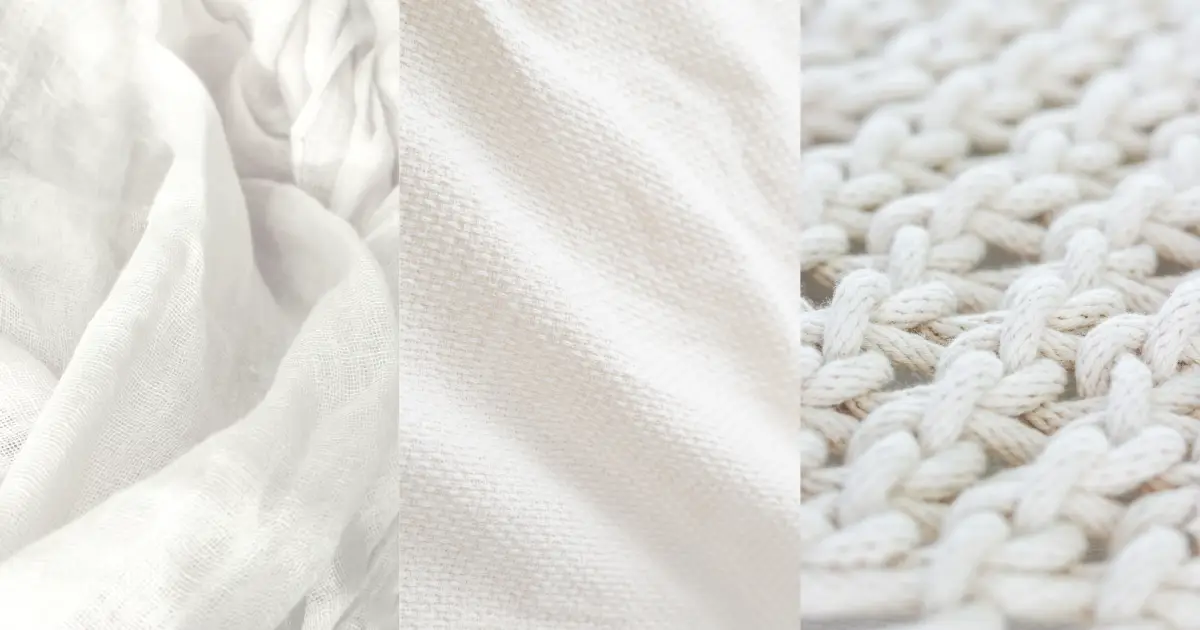
Linen vs. Cotton vs. Wool at a Glance
Linen, cotton and wool are the three natural fibres you will meet most often when you shop for throws, bedding and cushions. They look similar folded on a shelf, but they feel, warm and wash very differently. Use this quick swatch-style table to compare texture, warmth and care, then read on for the details behind each one.
| Property | Linen (flax) | Cotton | Wool (sheep) |
|---|---|---|---|
| Texture | Crisp, slubby, cool to the touch | Soft, smooth, matte | Fluffy, springy, insulating |
| Warmth | Light — a summer weight | Medium — all-season | High — cold-weather warmth |
| Breathability | Excellent | Very good | Good, plus moisture-wicking |
| Wrinkles | Relaxed, natural creases | Moderate, easy to press | Very low, resists creasing |
| Durability | Very high, softens with age | High | High, but needs gentle care |
| Everyday care | Machine wash cool, line dry | Machine wash & tumble dry | Hand wash or wool cycle, dry flat |
| Best for | Summer layers, warm rooms | Year-round, easy-care homes | Winter throws, cold bedrooms |
Linen: Crisp, Cool and Built to Last
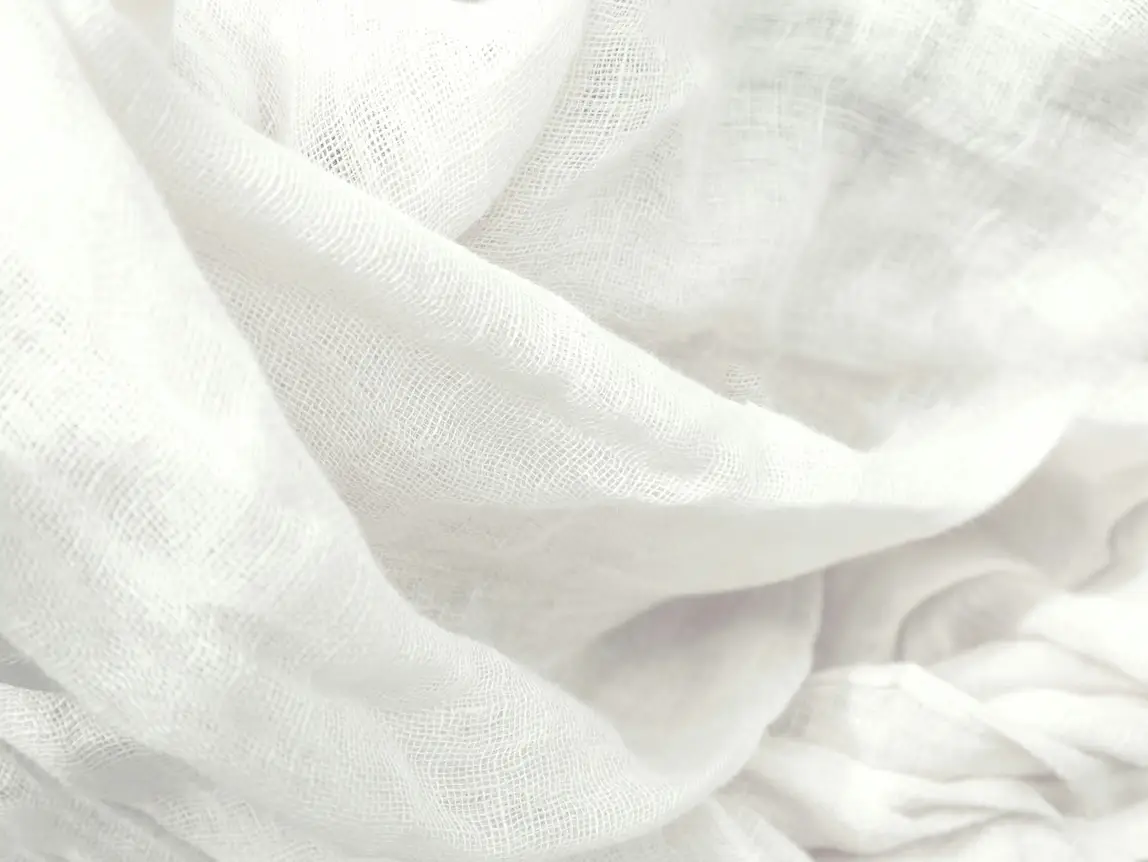
Linen is spun from the fibres of the flax plant. Under your hand it feels crisp and dry with a subtle, uneven “slub” — those tiny thick-and-thin spots in the weave are a sign of real linen, not a flaw. It is the coolest of the three fibres to the touch, which is why linen sheets and throws feel so good against warm skin in summer.
What makes linen special is how it ages. It starts a little stiff and relaxes with every wash, becoming softer and more fluid over years of use rather than wearing out. It is also stronger than cotton and naturally lint-free. The trade-off is its relaxed wrinkling — linen creases easily, and most people learn to love that lived-in, rumpled look instead of fighting it.
- Feel: crisp, textured, cool
- Loves: warm rooms, summer bedding, a relaxed aesthetic
- Watch for: wrinkles, and a higher price than cotton
Cotton: The Soft, Easy All-Rounder
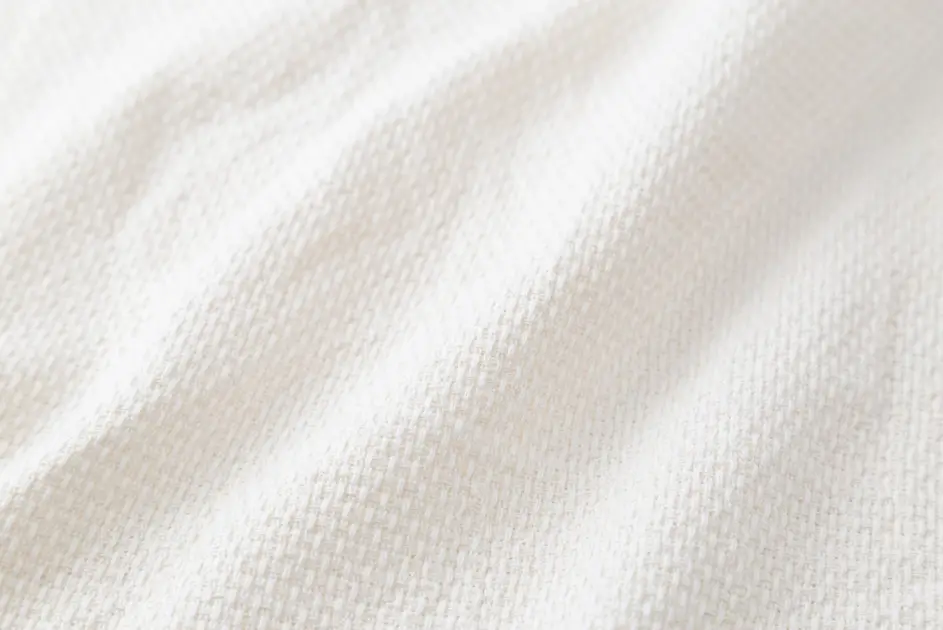
Cotton is the fibre most of us already live with. It feels soft, smooth and matte, with none of linen’s texture or wool’s spring. Because it is comfortable across seasons, machine washable and usually the most affordable of the three, it is the safe, low-maintenance choice for busy homes and for anyone who wants a throw they never have to think about.
Woven cotton throws add gentle texture and colour to a sofa or bed while staying breathable and easy to care for. Cotton wrinkles less dramatically than linen and presses out easily, and a good-quality cotton weave actually grows softer with each wash. Its main limits: it is not as warm as wool, and cheaper cotton can pill or thin over time, so weave quality matters.
- Feel: soft, smooth, matte
- Loves: everyday use, year-round layering, low-effort care
- Watch for: less warmth than wool; choose a dense weave to avoid pilling
Wool: Warm, Springy and Cosy
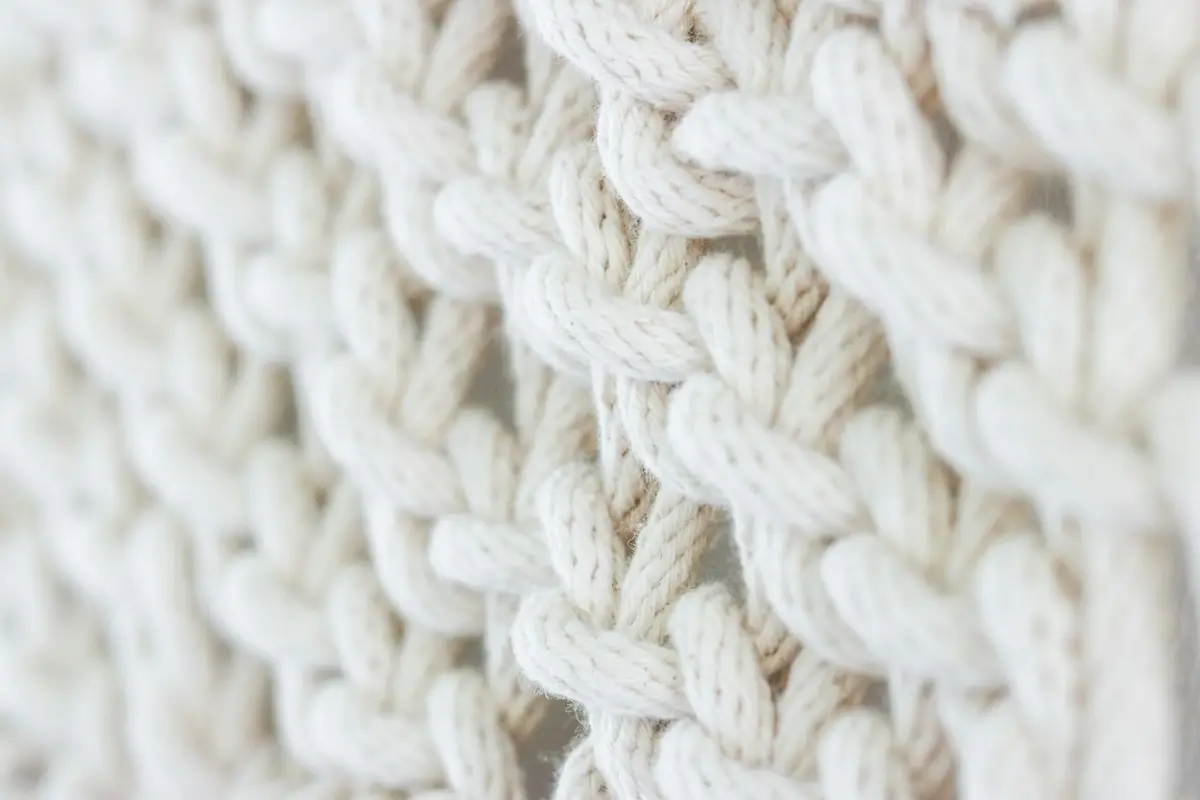
Wool comes from sheep fleece (merino and lambswool are the softest grades) and it is the warmth specialist of the group. It feels fluffy and springy, with a natural loft that traps air and holds heat — which is exactly what you want in a cold bedroom or a winter reading throw. Wool also wicks moisture and resists odour, so it stays fresh with less washing than you might expect.
It is naturally wrinkle-resistant and springs back into shape well, so a wool throw always looks tidy. The care is the catch: wool prefers hand washing or a dedicated wool cycle in cool water, and it should be dried flat rather than tumbled or hung, so it keeps its shape. Store it folded in a breathable bag, ideally with a cedar block, to protect it between seasons.
- Feel: fluffy, springy, warm
- Loves: cold nights, winter throws, chilly bedrooms
- Watch for: gentle washing only, dry flat, and store carefully
The Care Cheat Sheet
Most fibre disasters come down to heat and rough handling. Here is the short version for each material.
| Step | Linen | Cotton | Wool |
|---|---|---|---|
| Wash | Machine, cool/warm gentle | Machine, warm | Hand wash or wool cycle, cool |
| Detergent | Mild, skip fabric softener | Standard | Wool-safe / mild |
| Dry | Line dry or low tumble | Tumble dry low | Dry flat, never tumble |
| Iron | While damp, if you like crisp | Medium heat as needed | Not needed; steam lightly if at all |
| Store | Cool, dry shelf | Anywhere dry | Folded, breathable bag + cedar |
Which Fibre Should You Choose?
There is no single winner — it depends on your room and your routine. Reach for linen if you run warm, love a relaxed, textured look and want a throw that gets better with age. Choose cotton if you want soft, affordable, wash-and-forget comfort that works all year. Pick wool if your priority is real warmth for cold nights and you do not mind a little extra care. Many people end up with a mix: a light linen layer for summer and a wool throw for winter, with cotton doing the everyday work in between.
Frequently Asked Questions
Which is warmer, linen, cotton or wool?
Wool is by far the warmest, thanks to its lofty, air-trapping fibres. Cotton sits in the middle as an all-season choice, and linen is the lightest and coolest — ideal for summer or warm rooms.
Which natural fibre is easiest to care for?
Cotton. It handles a normal warm wash and tumble dry with no fuss. Linen is nearly as easy but prefers a cooler wash and line drying. Wool needs the most care — gentle washing and drying flat.
Why does my linen throw wrinkle so much?
That is simply linen being linen — its long, stiff flax fibres crease easily. It is part of the fabric’s relaxed character. Smooth it by hand, or iron while damp if you prefer a crisp finish.